
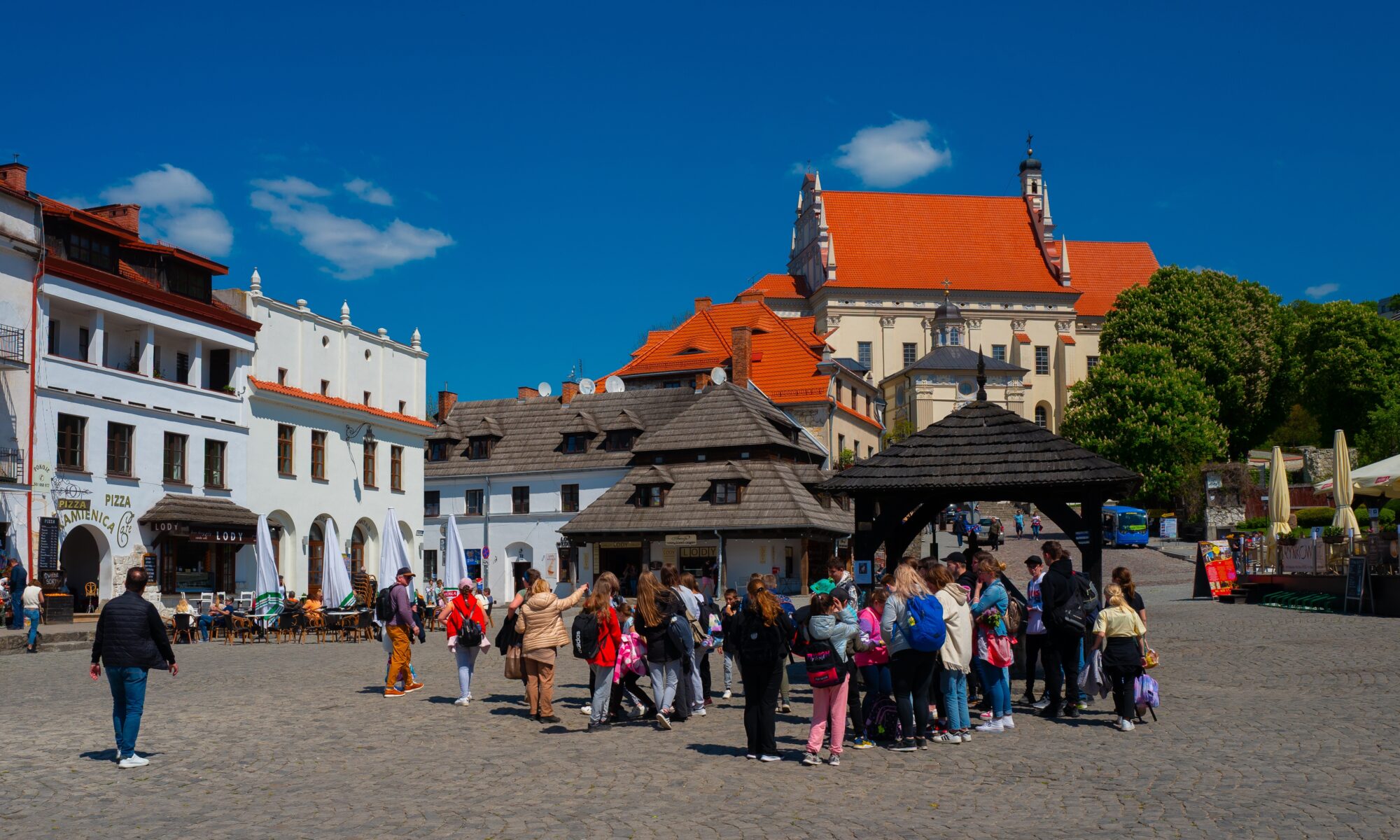
The ‘Green Room’ in a family letter may be the room with blue walls. Its name survived the repainting.
An English reader encountering a Polish account of the house needs to recognise what the writer calls the room, without assuming that every word describes its present appearance. The room need not live up to its name. That distinction can matter as much in an ordinary recollection as in a professional introduction.
Dialektikus UK Ltd translates Polish writing for English readers and English writing for Polish readers. Enquiries can concern private matters or professional work. For a reader in London, or someone receiving your writing in Poland, an unfamiliar name can be particularly revealing or particularly misleading. A family nickname, a named activity and an evocative service title each invite different expectations. Consider what the wording identifies, what it describes and what the reader might infer from confusing those functions.
When ordinary words become a name
A name can consist entirely of familiar words. ‘The Long Table’ might identify a regular gathering whose members now sit in a circle. A passage explaining the gathering should retain what its members call it while conveying the arrangement actually described. Someone choosing the English from a Polish account would be barking up the wrong tree if they treated the name alone as evidence about the furniture. The surrounding writing establishes its function.
Professional writing can make a similar distinction. Suppose an organisation calls its introductory session ‘Welcome’. An English account intended for Polish readers might mention that session beside a description of how newcomers are greeted. The title names an activity; the description explains what happens. Translating every occurrence as though it were simply a greeting could erase the named session, while treating every greeting as the session title could invent a connection the author never made.
The boundary of a name deserves attention too. In ‘the smaller Welcome group’, ‘smaller’ may describe one group attending the named session. It need not belong to the title. Typography can offer clues, but capitals and quotation marks cannot settle every case, particularly in informal correspondence. Explain any naming convention you know. A reader unfamiliar with that convention may get the wrong end of the stick about which words are fixed and which supply a passing description.
What an evocative name actually tells you
A name may suggest a quality without making a precise statement about it. A service called ‘Compass’ could concern organising information rather than travel. Its accompanying description establishes what the service involves. Turning the name into an explanatory promise would go beyond that description. Equally, replacing it with a general account of the activity could remove the particular name the author chose. Polish and English both need room for the name and the explanation. Private nicknames can carry associations that outsiders cannot reconstruct. A family may affectionately call a modest house ‘the Castle’; the letter may use that name without commenting on its grandeur. The apparent architectural clue can be a red herring. Your knowledge can establish that this is the family’s familiar name, while the passage itself determines whether affection, amusement or criticism accompanies this particular mention. None follows automatically from the size of the building.
An attractive professional title likewise leaves practical questions open. A discussion group named ‘Open Doors’ might have a defined membership. Its name alone does not tell readers who can join. When an English explanation goes into Polish, the membership description should retain its stated limits beside the title. For Polish material needed in English, the same distinction lets a reader appreciate an inviting name without reading too much into the invitation it seems to suggest.
Names belong to particular communities of readers
Familiarity can outlast the circumstance that produced a name. ‘The Monday group now meets on Wednesday’ is perfectly intelligible if the first expression names an established group. It looks contradictory if both days are treated as current scheduling information. A translation should preserve the distinction the account makes. The writer may be explaining a change, joking about an old name or simply using it as a matter of course; the actual passage deserves consideration.
People in the know may understand a private nickname immediately. A relative’s ‘Office’ could be a garden shed where they read and mend household objects. Somebody newly introduced to the family may picture business premises instead. Tell us who the intended reader is and what they already recognise. You can supply the background without requiring every explanation to enter the letter. If additional introductory wording is needed, its substance should remain distinguishable from the existing account.
A writer can mention a name without sharing its apparent appraisal. Calling a project ‘Ideal’ does not make every reference to it an endorsement. Quotation marks may simply mark the title; a phrase such as ‘so-called’ may introduce distance. The translation needs to consider that surrounding wording. Someone can take a dim view of a project while continuing to use its cheerful name, and a neutral reference should remain possible without acquiring an ironic edge.
Give the unfamiliar name its setting
A short explanation can help a new reader recognise what a name denotes. Where the source introduces a group’s name and immediately describes its activity, both elements contribute useful information. Their relationship matters more than reproducing the same punctuation. If the name is meant to remain recognisable in its original form, identify that purpose when enquiring. An explanatory rendering should not quietly pass itself off as the established name under which people know the group.
You need not make head or tail of every unfamiliar expression before contacting us. Send the passage and explain which wording you believe is a name. Include the introduction where it first appears, if available, and any relevant illustration or caption. For your own English writing intended for Polish readers, say which names the reader already knows. For Polish writing you have received, distinguish established background from an interpretation you are still trying to confirm.
You can write to london@dialektikus.co.uk about the material, or send your enquiry to Dialektikus UK Ltd through https://www.translations-london.uk/contact. Identify whether English or Polish is needed and describe the eventual reader. If you have a date in mind, mention it. Point out names whose everyday meanings could mislead a new reader, whether you are sharing a family recollection, introducing an activity or explaining professional work to someone encountering its vocabulary for the first time.