
The map in the cabinet
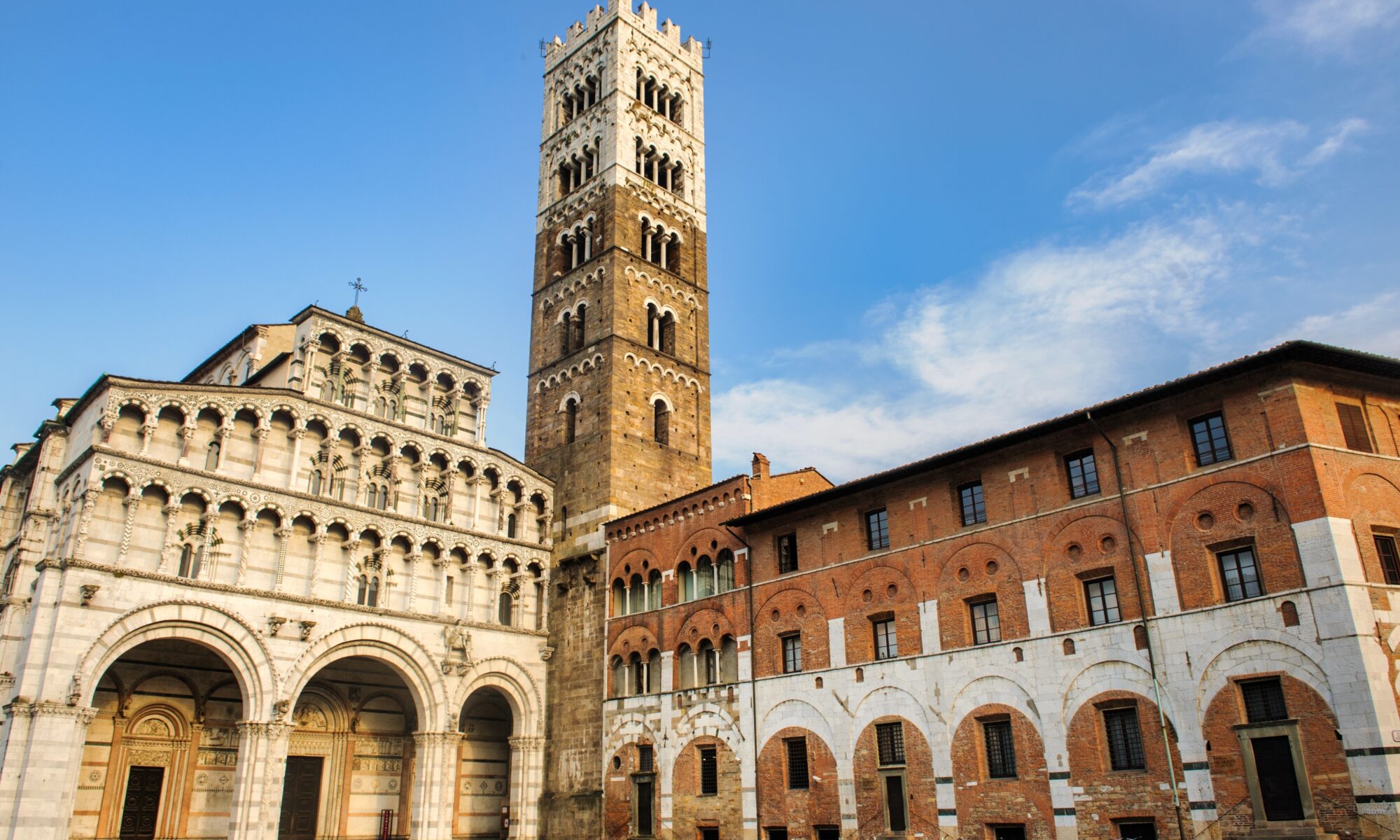
An old walking guide has a place in an exhibition cabinet. The organiser would like visitors to see its fold-out map and asks a volunteer to check its condition. In an email they write ‘Se la mappa è intatta, esporremo il volume aperto a quella pagina’. ‘If the map is intact, we’ll display the book open at that page’ lets the volunteer see what the check is for. They can report a tear or a missing section before the display takes shape.
The map turns out to be missing its lower half. The organiser changes tack and displays the guide open at an engraving of the harbour. In a note about the choice, ‘Se la mappa fosse stata intatta, avremmo esposto il volume aperto a quella pagina’ could read ‘If the map had been intact, we’d have displayed the book open at that page’. Anyone looking through photographs of the exhibition has an explanation for the engraving where they expected the map.
The catalogue editor would be putting the cart before the horse if they sent a label for the map to print while the inspection was still pending. ‘Map display subject to inspection’ leaves room for that contingency in a working list. The final list can name the harbour engraving, and the retrospective note can explain the choice. If someone uses both documents to write about the exhibition, each can keep its own account of what was possible at the time.
A colour the supplier might have
A shop looking at a range of enamel mugs writes ‘If these came in blue, we’d order a dozen’. In Italian, ‘Se fossero disponibili in blu, ne ordineremmo una dozzina’ keeps the proposal tentative. The buyer may suspect that blue is a long shot and still be asking the supplier to check. Here ‘came’ looks like a reference to the past, while the dozen mugs belong to a purchase the buyer can still make. The answer might be a colour code and a photograph.
Suppose an earlier reply already confirmed that cream is the only colour the manufacturer makes in this range. The colour list has put paid to the idea of an order. The same English sentence and the same Italian translation can express what would make the range attractive to the buyer under different circumstances. The sentence gives the supplier a condition for the purchase, and the earlier reply gives a translator the information the buyer had when they wrote it.
An open condition can sound more direct. ‘If you have these in blue, we’ll order a dozen’ could read ‘Se li avete in blu, ne ordineremo una dozzina’. A supplier with those mugs in stock has a firmer statement of what the shop intends to do. In a note for a colleague, the colour still belongs with the number. An entry that just says ‘Order for twelve mugs’ could prompt someone to pick the cream ones.
A choice made with what you knew then
The brass scales were sold to a second-hand shop when the pantry was cleared. The writer of a family letter learns afterwards that they were Grandma’s and says ‘If I’d known those scales were Grandma’s, I’d have kept them’. ‘Se avessi saputo che quella bilancia era della nonna, l’avrei tenuta’ gives both parts of the sentence in Italian. The first ‘I’d’ means ‘I had’, and the second means ‘I would’. The context puts the discovery and the letter after the sale.
The fact that the scales belonged to Grandma is part of the family’s account. In the counterfactual, the writer learns about it in time to keep them. A sister who sets great store by things from Grandma’s kitchen might write back for the shop’s name. The letter gives her a reason to look for the scales and a place to begin asking. An extract for a family album can carry that regret with enough of the story to show where the scales went.
Sometimes the imagined result belongs to the present. A report on the restoration of a small organ records that the group threw away its damaged maker’s plate during an earlier repair. ‘If we’d kept the maker’s plate, we’d know who built the organ’ can read ‘Se avessimo conservato la targhetta del costruttore, sapremmo chi ha costruito l’organo’. The people checking old invoices are still looking for a name. Clues in the remaining paperwork are few and far between.
When the past is still open to question
At a canoe club, a new boat has been unloaded and two paddles are unaccounted for. A volunteer who missed the delivery writes ‘Se le pagaie fossero arrivate insieme alla canoa, a quest’ora sarebbero nel capanno. Puoi controllare?’ This could read ‘If the paddles had come with the canoe, they’d be in the shed by now. Could you check?’ The club generally puts equipment in the shed as soon as it’s unloaded. That gives the person with the key a place to look.
Separate the request from the rest and the opening could send an English reader down a blind alley. Taken alone, ‘If the paddles had come with the canoe’ can sound as though the sender already knows they were missing from the delivery. Alongside ‘Could you check?’, the same words give a reason to go to the shed. If the recipient learns that the paddles were never sent, the finding belongs to their reply, with its own place in the exchange.
Enquire about a written translation
When you need part of a discussion translated, show where it sits in the account. Meeting minutes can list the decisions people took and then record suppositions about what might have happened under a different plan. In a bundle of emails, an enquiry and the reply that closed off an option may fall on different pages. Supply the passage that confirms what happened, if you have it, and give its date if the sequence is unclear.
Dialektikus UK Ltd offers written translation between Italian and English. For an enquiry about correspondence, a report or another written document, email london@dialektikus.co.uk or visit https://www.translations-london.uk/contact. Indicate which passages you need translated and where the reader will see them. If part of the text will be reused in a display, a record or a reply, mention that purpose so the extract can carry the details the reader will need.