
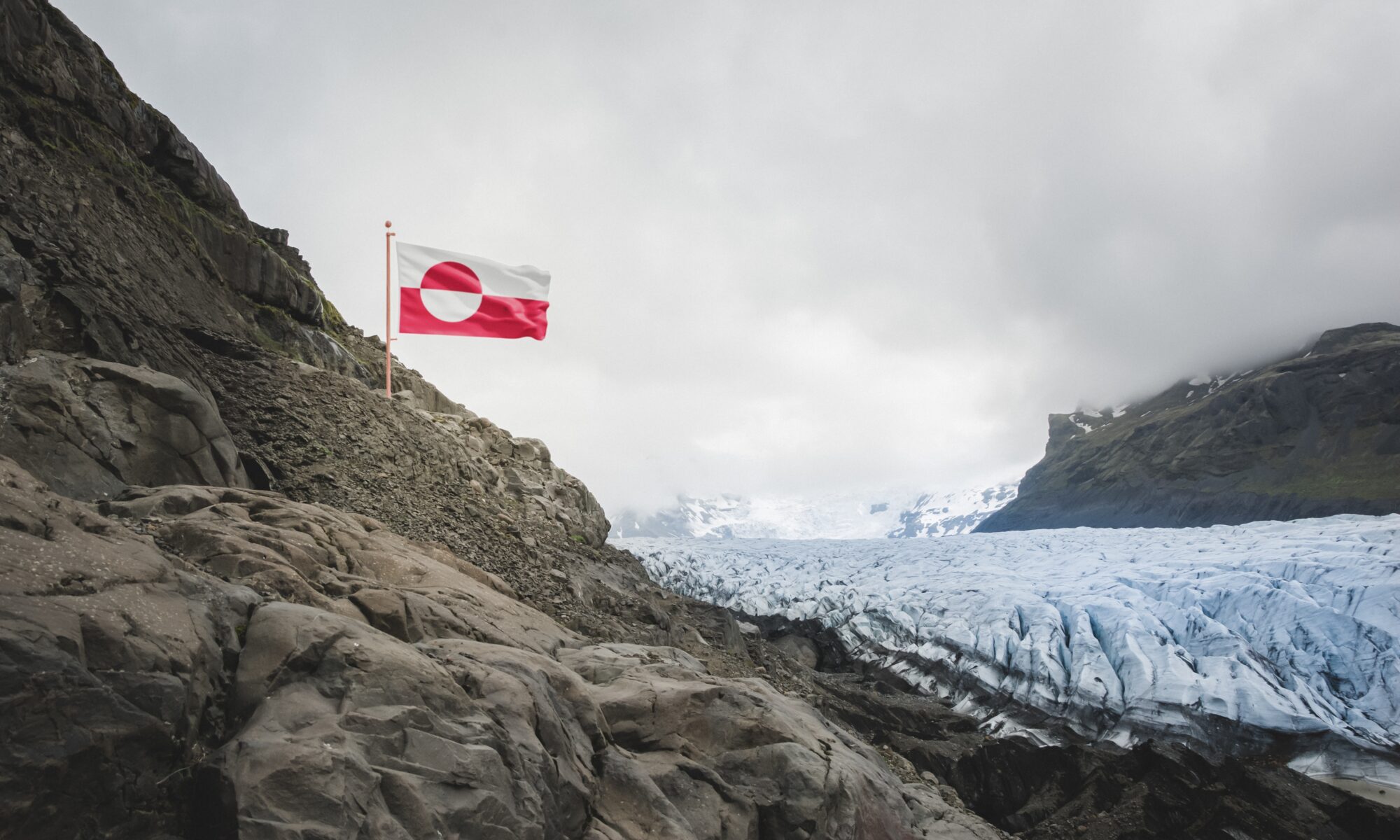
Greenlandic translation calls for careful attention to the source, the reader and the variety of language intended. Dialektikus UK Ltd provides Greenlandic to English and English to Greenlandic translation for personal and organisational material. A useful enquiry includes the text or a readable sample, identifies its purpose and explains any connection with an existing Danish or English version. Starting with these details helps us get our bearings before choices about terminology, names and presentation are made on the client’s behalf.
Identify the language and the intended reader
Greenlandic is the official language in Greenland under section 20 of the Act on Greenland Self-Government. The Danish Prime Minister’s Office also explains that Danish may continue to be used in official matters. A document’s origin therefore does not, on its own, identify the language of every page. Please mark which files need translation and include relevant accompanying material, especially when the source bundle contains correspondence or annotations in more than one language.
Kalaallisut is a name you may encounter in Greenlandic language resources and in your translation brief. Greenland’s Language Secretariat, Oqaasileriffik, provides information about the standard language and dialects. For a particular commission, the written form, regional context and intended audience should be identified from the material rather than assumed from a broad label. If a source has a specific regional character, tell us. This helps keep everyone on the same page about the text being translated and the readership it is meant to serve.
Reading Greenlandic material accurately
In a Greenlandic to English translation, the English reader needs a clear account of what the source states, including its qualifications and references. A sentence may describe a completed event, an anticipated action or somebody else’s explanation. Those relationships matter as much as individual words. The translator should preserve who is speaking and what is being asserted, avoiding an English formulation that sounds authoritative while quietly strengthening a tentative or attributed statement in the original.
Please include enough surrounding material to make references intelligible. An enclosure, a heading or an earlier letter may explain a name or abbreviation that an isolated excerpt leaves unresolved. The relevant context can help the translator put two and two together, but it does not justify inventing a missing fact. If a reading remains uncertain, the uncertainty needs to be identified. A smooth account based on guesswork would be less useful than a precise explanation of the source’s limits.
Preparing English text for Greenlandic readers
For English to Greenlandic work, describe what the reader is expected to do with the information. A short notice, an explanatory letter and a longer organisational document need different levels of detail. If the English source relies on an acronym or an internal project label, provide its meaning before translation begins. Clarifying an ambiguous reference helps the Greenlandic version get the message across without adding commitments or explanations that the author has not approved.
Existing Greenlandic terminology can be valuable when a text belongs to an established programme or sequence of publications. Supply the relevant references and identify which ones are current. Oqaasileriffik’s resources include dictionaries and terminology collections, which can support informed terminology decisions; they do not remove the need to consider the sentence and the intended audience. Where your organisation uses a preferred term, explain its scope so that a word suitable in one context is not carried into another without thought.
Names, places and source spellings
Names connect a translation to the people, places and organisations described in the source. A person or place may be referred to differently in related Greenlandic and Danish material, and the translator should not silently treat those forms as errors. Supply any spelling that the recipient requires and identify known alternatives. Where the relationship between two names is uncertain, clarification is preferable to a confident substitution that leaves the reader unable to match the translation to the original record.
Older material can also raise questions about the writing conventions represented in the source. Tell us its approximate date and origin, and provide a clear image of the complete page. Do not modernise an unfamiliar spelling before sending it merely to make it look more consistent. Preserving the evidence gives the translator a better starting point and avoids muddying the waters when a name, quotation or historical reference needs to be distinguished from the surrounding contemporary explanation.
Layout and the structure of meaning
A Greenlandic version should not be judged by whether it occupies exactly the same space as its English source. The wording and sentence structure may require a different arrangement to remain clear. If a form, table or fixed display has a strict space limit, explain that constraint in the brief. It can then be considered as part of the work rather than discovered after the text has been forced into a box that cannot accommodate it legibly.
Keep headings, numbered items and references connected to the passages they describe. A table can look orderly while assigning a statement to the wrong category, particularly after rows have been inserted or removed. Checking the structure helps readers follow the thread through the document and use the translation correctly. An editable file and the approved reference copy are useful together, provided you identify which version controls the wording and which merely shows the intended appearance.
Parallel versions and a manageable review
A Danish or English companion text can provide useful context, but it should not automatically replace the Greenlandic source. Similar titles may conceal different revision histories. Identify the text to be translated and say whether comparing versions is part of your request. If an amendment changes the meaning after work has begun, send the revised source with the affected passage identified. This avoids crossed wires and provides a clear basis for deciding which parts of the translation need attention.
For a quotation, send the material, the translation direction, the required output format and any deadline that matters. Include recipient instructions concerning presentation or formalities; those requirements need individual consideration and should not be inferred solely from the language’s official status. Contact Dialektikus UK Ltd at london@dialektikus.co.uk or use our contact page to discuss your Greenlandic translation. A precise brief brings the essential questions into focus and allows the final English or Greenlandic text to be reviewed against the source and purpose actually agreed.